
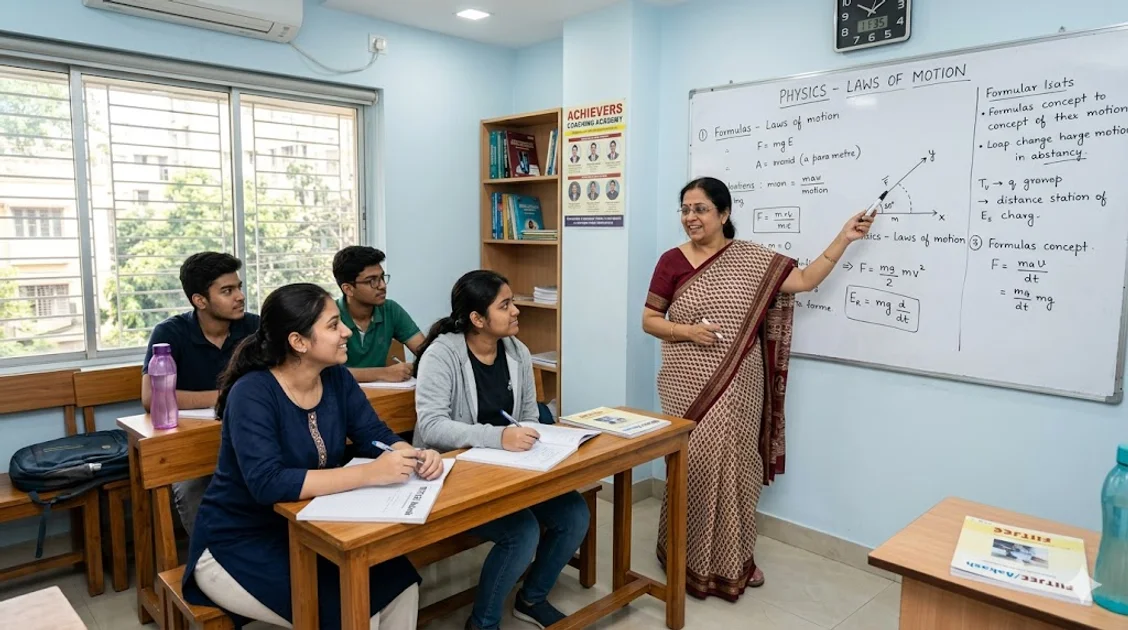
How to Reduce Dropout Rates in Coaching Classes
Esha
Education Technology Experts
How to Reduce Dropout Rates in Coaching Classes
By Esha Karmakar
Coaching classes often face a common problem—students leaving before completing their courses. This affects both students and coaching centers.
Reducing dropout rates is not just about keeping students enrolled. It is about creating an environment where students feel motivated, supported, and confident. Coaching institutes that also focus on building a strong brand can improve trust and long-term student retention.
1. Understand Why Students Drop Out of Coaching Classes
Understanding the reasons behind student dropout is the first step to solving the problem.
- Lack of interest in subjects
- Poor teaching methods
- Personal or financial problems
- Academic pressure
- Lack of proper guidance
When coaching centers identify these issues early, they can take action to prevent dropouts.
2. Provide Personal Attention to Students
Students are more likely to stay when they feel supported.
- Maintain small batch sizes
- Track individual performance
- Clear doubts regularly
Personal attention helps students stay consistent. You can also guide them with proven strategies like how to stay consistent in studies.
3. Make Classes Interactive
Boring lectures often reduce student interest.
- Encourage discussions and group activities
- Ask questions during class
- Use real-life examples
Interactive classes keep students engaged and reduce dropout chances.
4. Track Student Performance Regularly
Tracking progress helps identify struggling students early.
- Conduct regular tests
- Monitor attendance
- Share progress reports
When students see improvement, they stay motivated.
5. Maintain Communication with Parents
Parents play a key role in student success.
- Share regular updates
- Discuss attendance and performance
- Highlight improvement areas
Strong communication builds trust and keeps students accountable.
6. Offer Flexible Learning Options
Some students drop out due to schedule issues.
- Provide online classes
- Share recorded lectures
- Offer flexible timings
Flexibility helps students manage studies better.
7. Create a Positive Learning Environment
A supportive environment improves retention.
- Encourage students
- Avoid unnecessary pressure
- Celebrate small achievements
Students who feel comfortable are more likely to stay and perform better.
8. Use Technology for Better Management
Modern coaching centers use digital tools to manage students effectively.
- Track attendance
- Analyze performance
- Send reminders
Technology improves organization and reduces dropout rates.
Conclusion
Reducing dropout rates in coaching classes requires the right balance of teaching quality, student support, and management.
Coaching centers that focus on student needs, provide personal attention, and use modern tools can significantly reduce dropouts.
In the end, it is not just about keeping students enrolled—it is about helping them succeed.
About the Author
Education Technology Experts
The Brilliyo editorial team shares insights on educational technology, learning management, and institution growth.
Related Articles
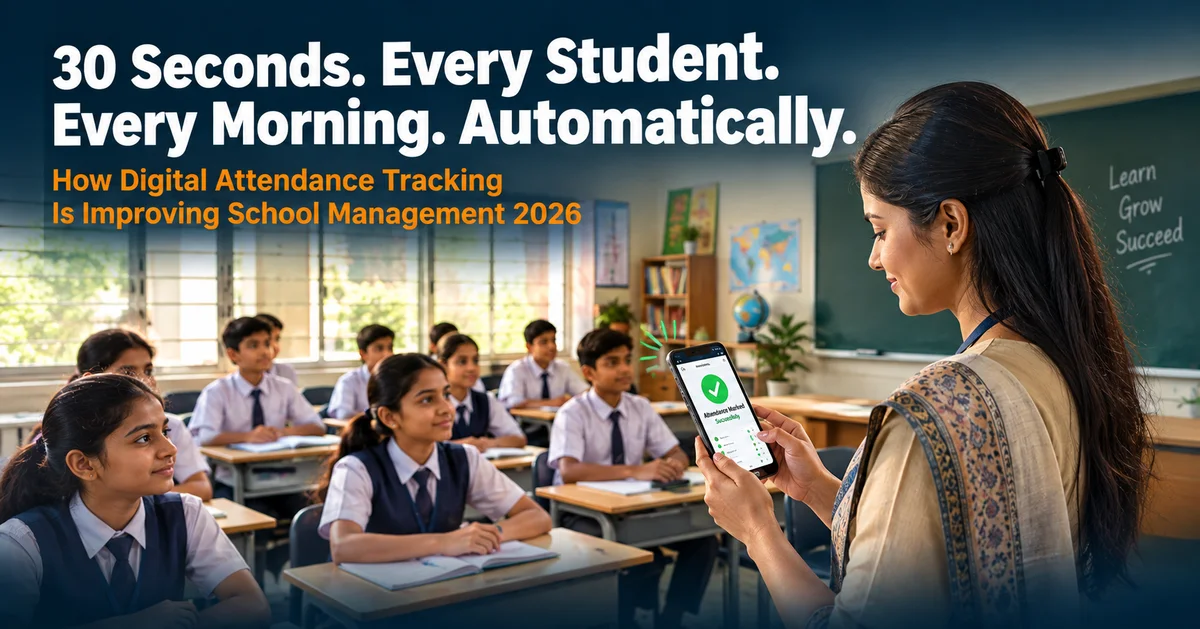
How Digital Attendance Tracking Is Improving School Management 2026
There is a moment that happens in almost every classroom, in almost every school, at almost exactly the same time every morning. The teacher asks for quiet. The register comes out. Names are called one by one. Students answer. Someone marks a tick or a cross in a column. The process takes five minutes on a good day and considerably longer when the class is restless, when a substitute teacher is covering, or when someone cannot find the register.
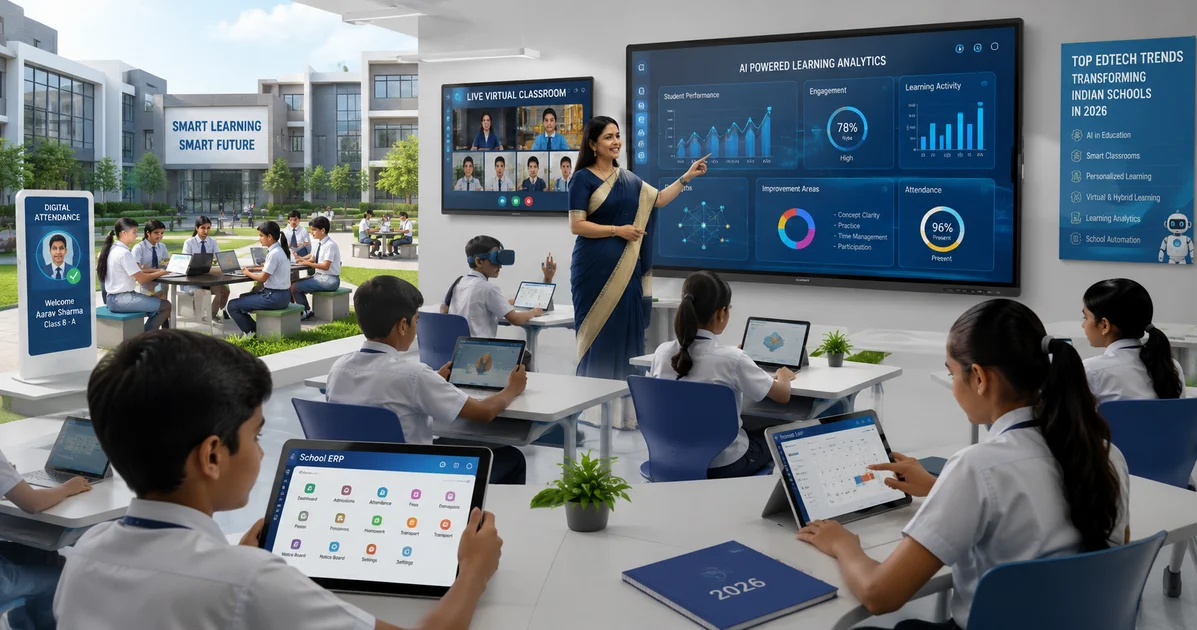
Top EdTech Trends That Are Changing Indian Schools in 2026
Education in India is changing a lot these days. This is because of the New Education Policy 2020 the fact that everyone is using things really fast and people want learning to be more about each student. So schools over India are thinking about how they teach students how they check what students know and how they help students. By 2026 technology will not just be something we use sometimes. It will be the way that schools teach students.
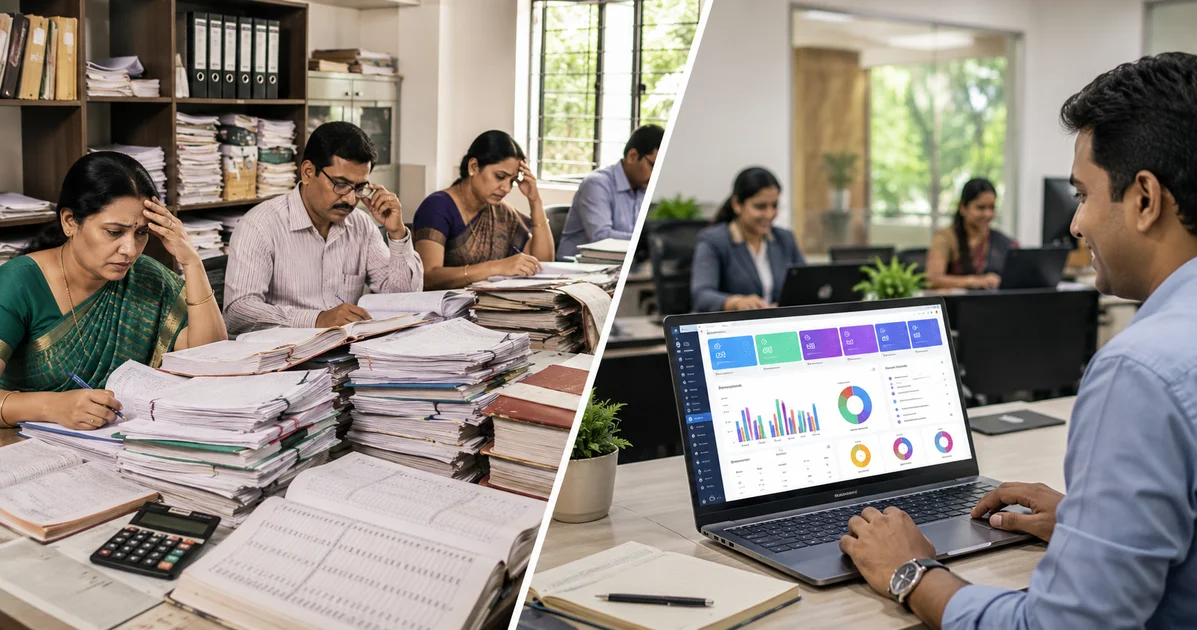
Top Challenges Schools Face Without School Management Software
Schools have to deal with a lot of people every day like students, teachers, parents and they have to do a lot of work to manage everything. Some schools still use ways of doing things like paper records, spreadsheets and traditional ways of talking to each other.