
Brilliyo Blog
Insights, tips, and best practices for managing your educational institution
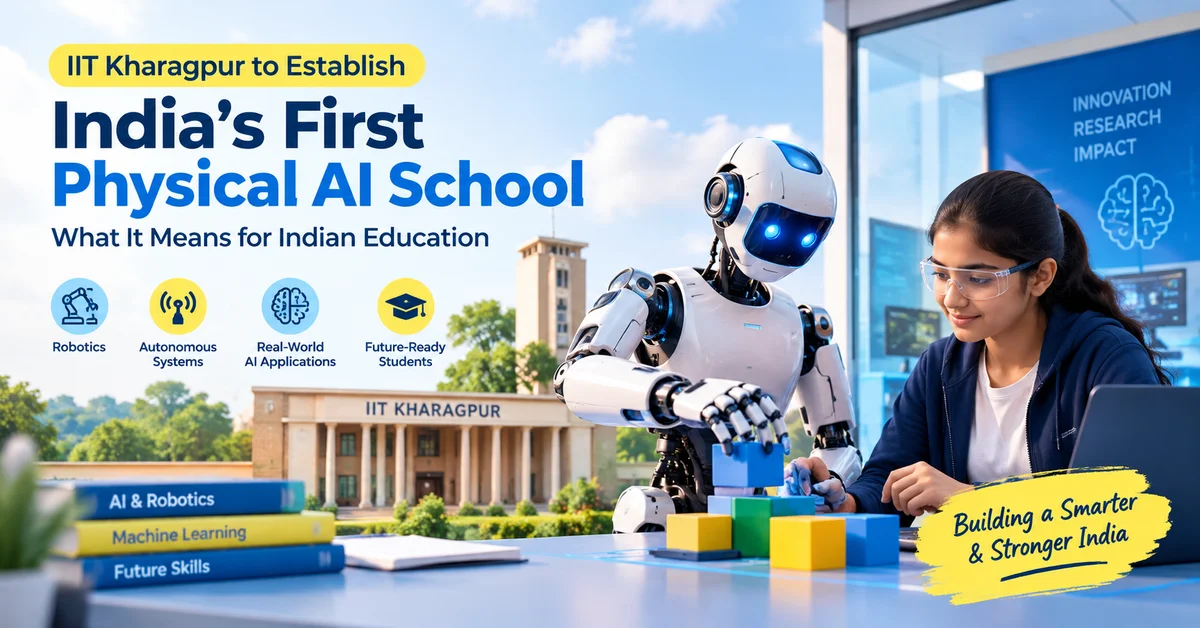
India’s First Physical AI School Is Coming — And It Changes Everything About How We Think About Education
There is a version of artificial intelligence that most people are familiar with by now. It lives on screens. It answers questions, generates text, recommends content and makes decisions in the background of digital systems. It is impressive, it is useful and it is already reshaping how India’s schools and universities are thinking about education.
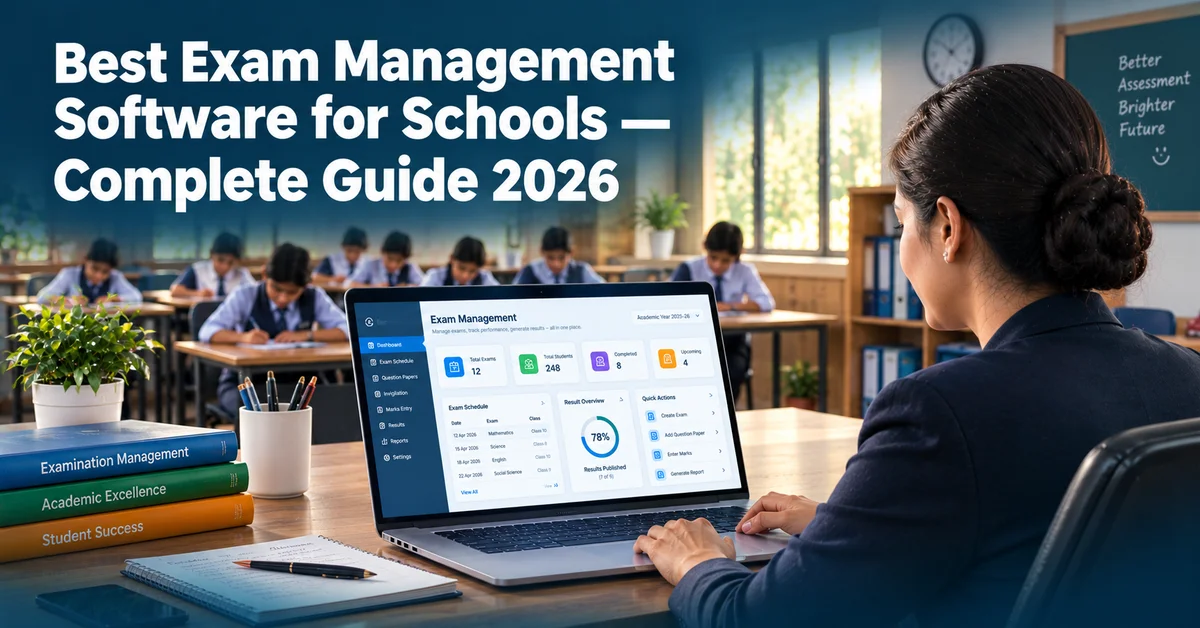
Best Exam Management Software for Schools — Complete Guide 2026
Exam season in most schools follows a pattern that anyone who has worked in school administration will recognise immediately. Weeks before the exams begin someone has to create the question papers — drawing from a syllabus, ensuring appropriate coverage, setting difficulty levels and getting the papers reviewed and approved. Then the papers have to be printed, stored securely and distributed without any possibility of leakage. The exam hall has to be arranged, invigilators assigned, seating plans created and students informed of their hall and seat numbers.
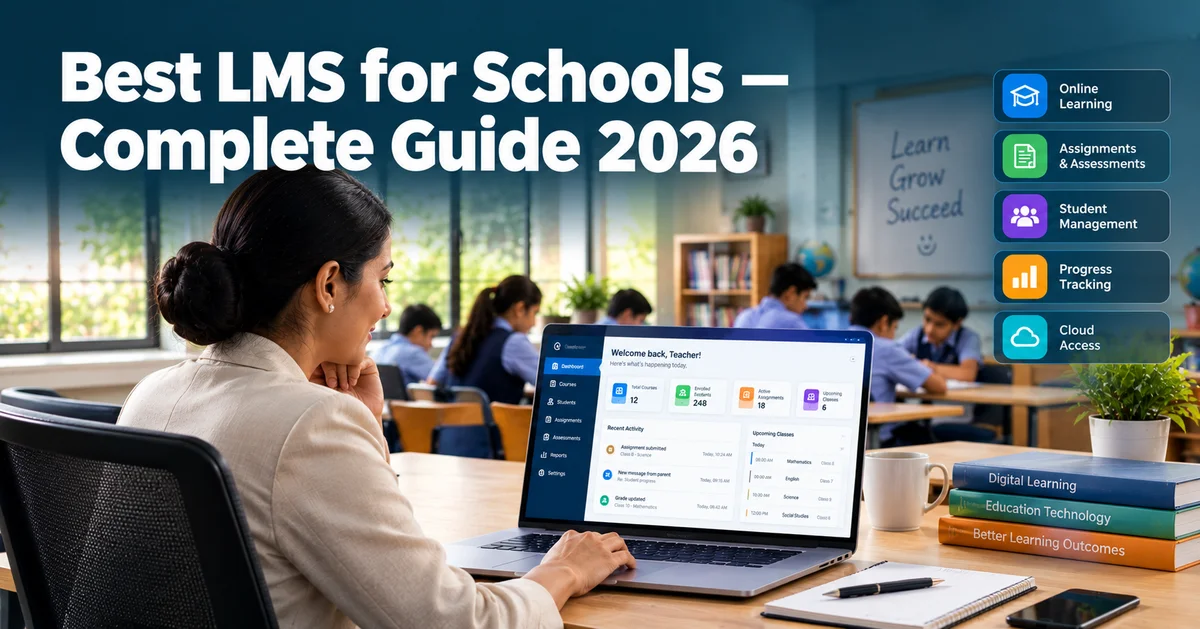
Best LMS for Schools — Complete Guide 2026
Choosing a Learning Management System for your school is not like choosing a piece of office software. The stakes are different. The people using it are not just employees who can be trained and expected to adapt — they are teachers with full timetables, students at various stages of development and parents who have no obligation to persevere with something that feels complicated or unreliable. If the platform is difficult to use, people stop using it. If it does not work the way a school actually works, it creates more problems than it solves
How Real Time Analytics Is Helping School Principals Make Better Decisions
There is a particular kind of frustration that school principals know well. It is the frustration of being responsible for something you cannot fully see. You are responsible for the attendance of every student in your school. But the information about who is absent today, which classes have concerning patterns this term, which individual students have crossed a threshold that should trigger a conversation — that information is spread across registers, spreadsheets and individual teacher records. To get a complete picture you have to ask several people, wait for them to compile their data and then sit down with a report that was accurate as of last Thursday.
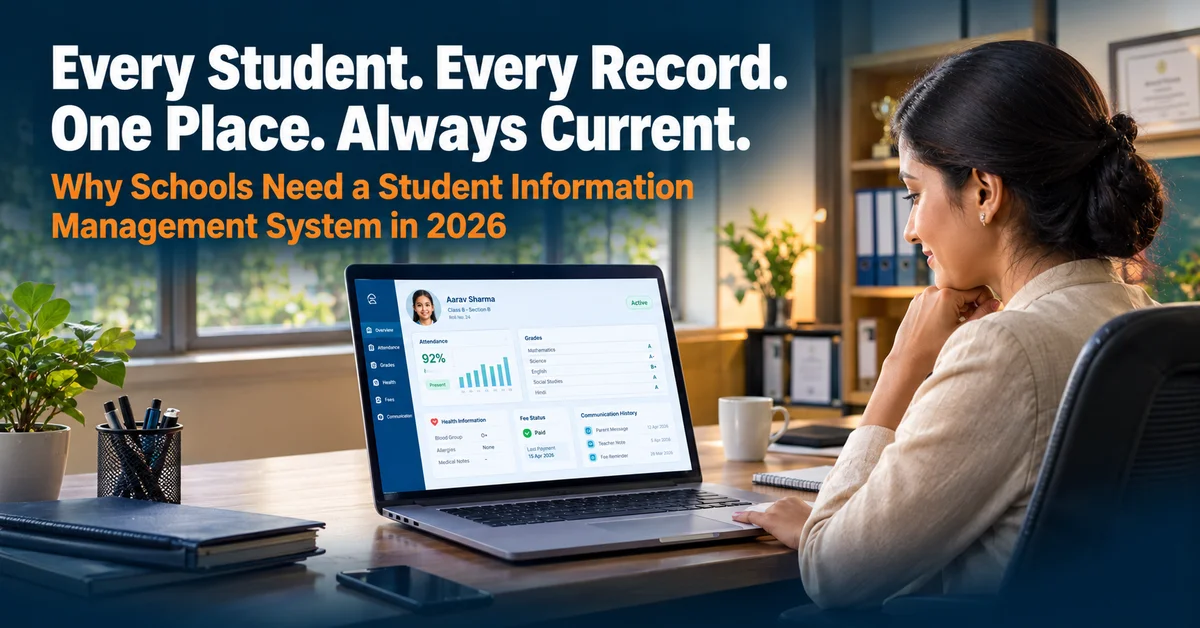
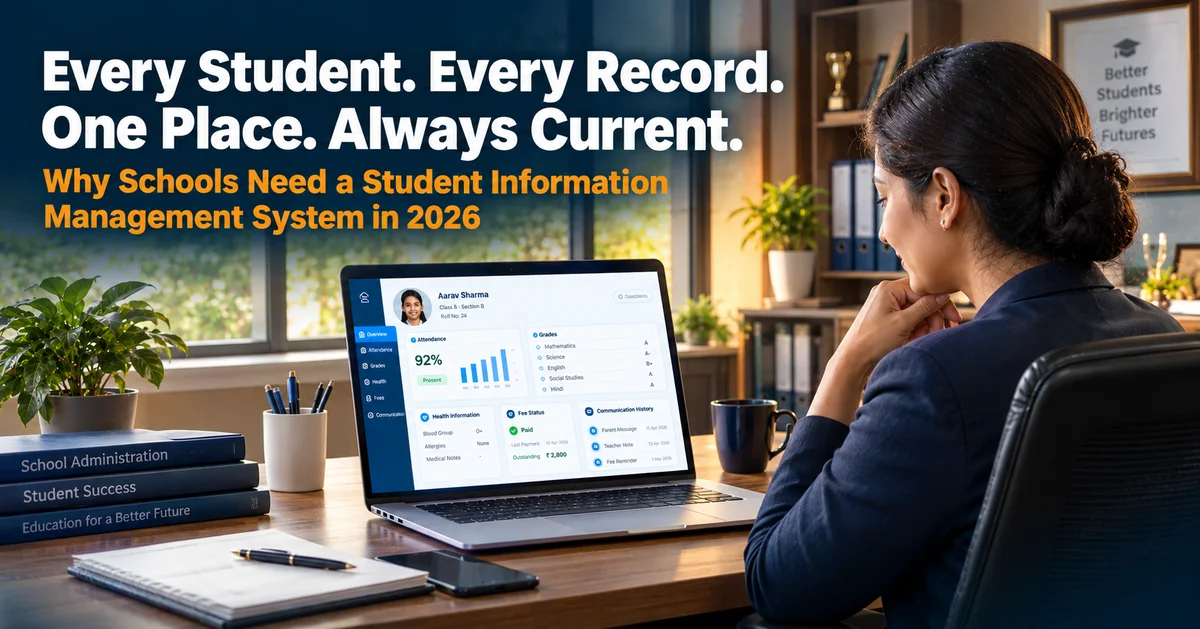
Why Schools Need a Student Information Management System in 2026
Somewhere in a school office right now someone is looking for a file. It might be a student's medical record that the school nurse needs urgently. It might be last year's attendance history that a teacher needs before a parent meeting this afternoon. It might be a fee payment record that a parent is disputing and the finance team cannot find quickly enough to give a confident answer.

India Shut 94,000 Government Schools in a Decade — And the Children Who Paid the Price
That is not a statistic that is easy to sit with. Every single day for the past ten years, somewhere in India, a government school closed its gates — permanently. The building may still stand. The classrooms may still exist. But the school, as a functioning institution that children could walk to in the morning and walk home from in the afternoon, is gone.

How a Parent Communication App Builds Trust Between Schools and Families
Think about the last time you felt genuinely informed about something that mattered to you. Not the last time someone sent you a generic update. Not the last time you received information three days after it was relevant. The last time you actually felt that someone had taken the trouble to keep you properly in the loop — quickly, clearly and without you having to chase them for it.
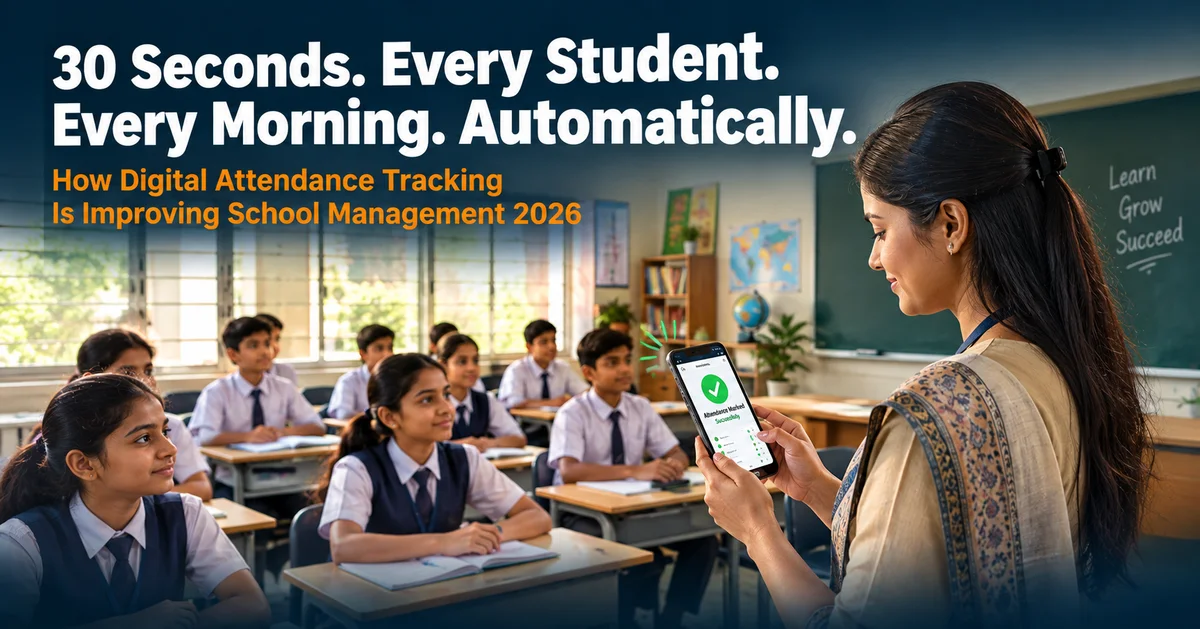
How Digital Attendance Tracking Is Improving School Management 2026
There is a moment that happens in almost every classroom, in almost every school, at almost exactly the same time every morning. The teacher asks for quiet. The register comes out. Names are called one by one. Students answer. Someone marks a tick or a cross in a column. The process takes five minutes on a good day and considerably longer when the class is restless, when a substitute teacher is covering, or when someone cannot find the register.
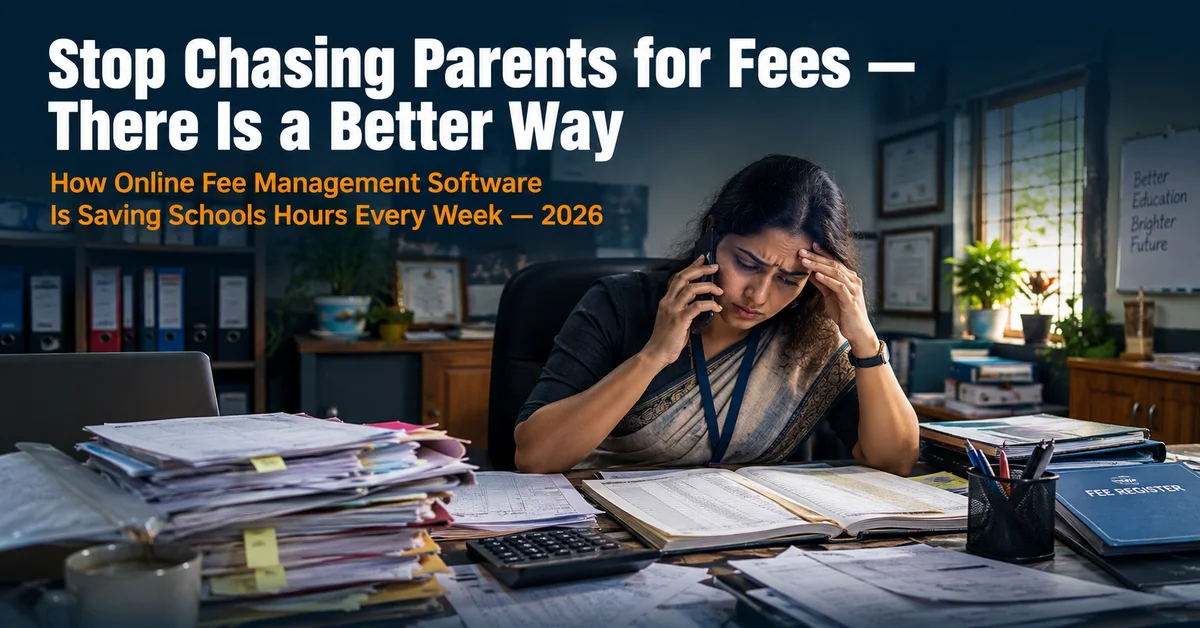
How Online Fee Management Software Is Saving Schools Hours Every Week
There is a conversation that happens in almost every school office, in almost every country, at the start of almost every month. Someone on the administrative team pulls up a spreadsheet — or worse, a physical register — and starts going through a list of names. Some families have paid. Many have not. The phone calls begin. The reminder letters go out. The follow-up happens again the following week. And the week after that.
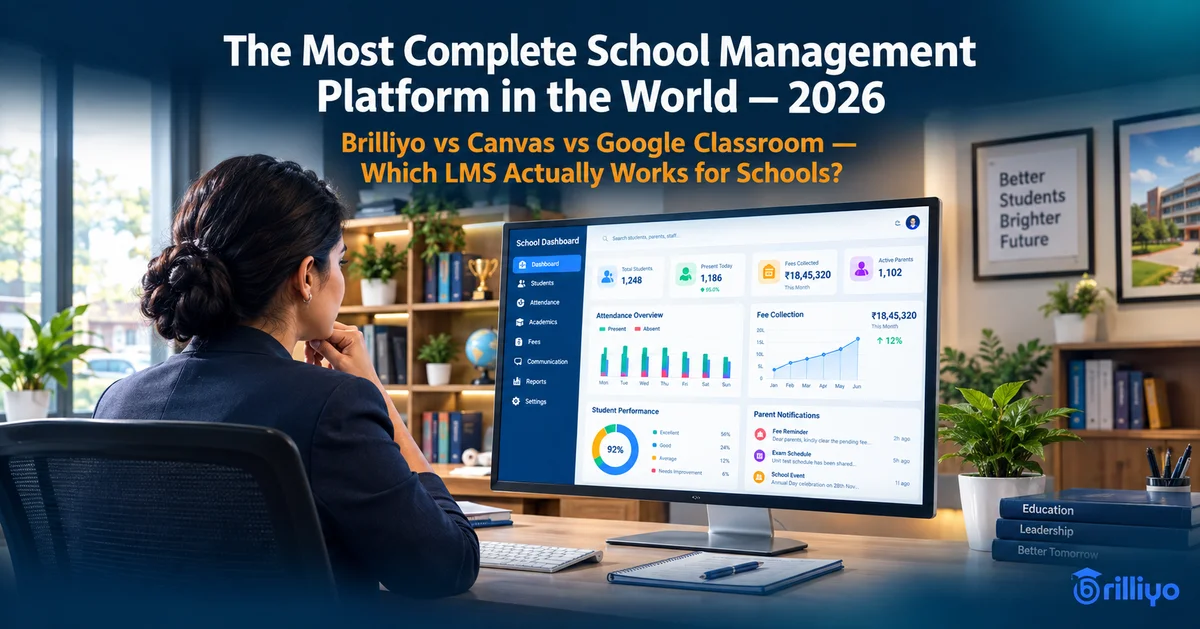
Best LMS Platforms in the World 2026 — And Why Brilliyo Is the Most Complete School Management Solution
Walk into any well-run school today and you will notice something that was not there ten years ago. The principal is not buried in paper files. The receptionist is not answering the same phone call for the third time this morning about fee due dates. The teacher is not carrying a bundle of registers under one arm and a stack of unmarked homework under the other.
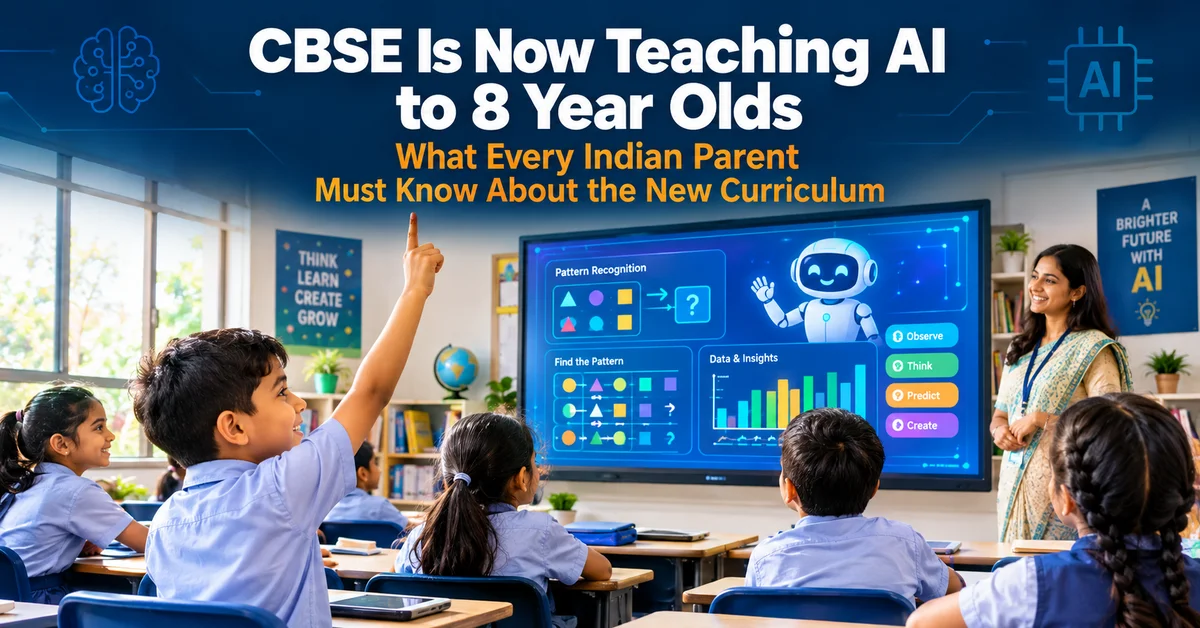
CBSE Is Teaching AI to Children from Class 3 — And It Is Changing Everything
I remember when I was eight years old. In classrooms the newest gadget was a calculator if you were lucky. The thought that a primary school child could spend a class learning how AI thinks makes decisions and changes the world would have felt like science fiction.
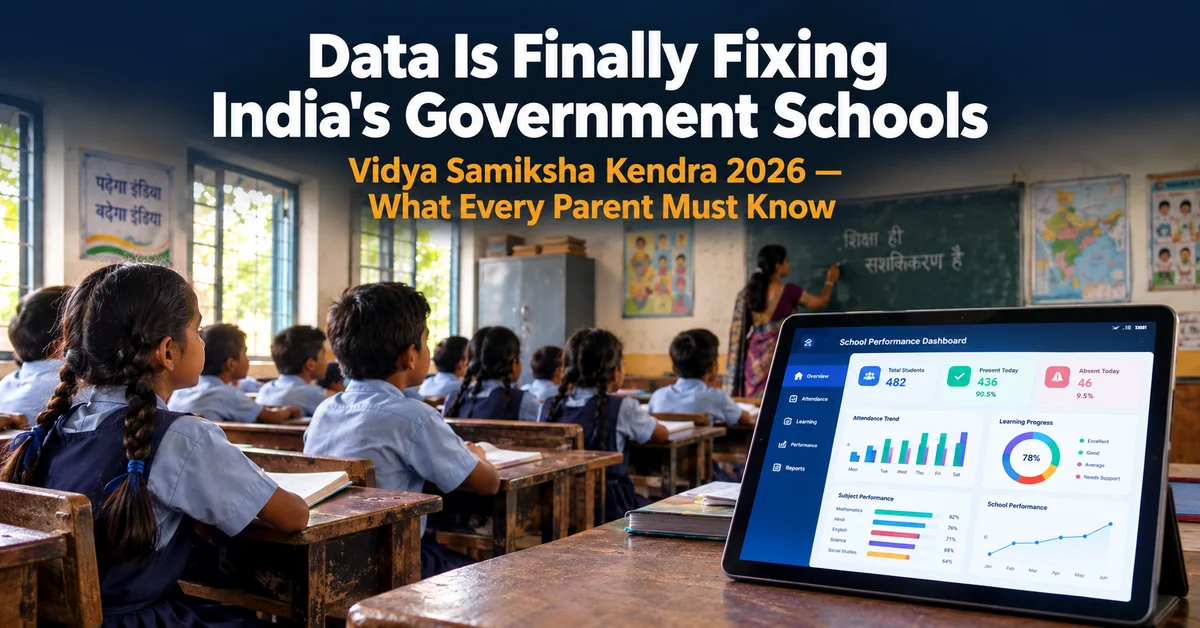
Vidya Samiksha Kendra 2026 — How Data Is Finally Fixing India's Government Schools
For years the government school system in India has worked in a way that was hard to understand. Teachers were often not there. There was no good way to track that. Students started falling and by the time anyone noticed it was usually too late. Shown in exam results months later. Schools often didn't have textbooks and important information sat in a book that no one ever looked at.