

College Students Need To Build Job-Ready Skills Before They Graduate
Esha
Education Technology Experts
College Students Need To Build Job-Ready Skills Before They Graduate
By Esha Karmakar
Getting a degree is really important, but it is not enough in today’s world. Many college students graduate with good grades but still struggle to find jobs. The reason is simple—companies want people with skills, not just degrees.
If students start building job-ready skills while they are in college, they can stay ahead and be fully prepared for their careers.
Employers today are looking for candidates who can solve real problems, communicate clearly, work in teams, and adapt to new situations. Students who develop these skills early have a much better chance of getting hired.
1. Learn Skills Alongside Your Degree
Do not depend only on your college syllabus. Start learning skills related to your field like digital marketing, coding, basic technical skills, and communication.
You can learn these skills through online platforms, YouTube, or short courses.
2. Do Internships
Internships provide real-world experience and help you understand how companies work. They allow you to apply what you learn in college and build confidence.
Even unpaid internships can be valuable when you are starting your career.
3. Start a Side Project
Side projects show your practical ability.
You can start a blog, build a website or app, or create content and designs. These projects make your resume stronger and more impressive.
4. Improve Communication Skills
Communication is important in every field. Practice speaking clearly, writing emails, and presenting your ideas.
Strong communication skills help you stand out from others.
5. Learn to Work in Teams
Most jobs require teamwork. In college, participate in group projects, join clubs, and collaborate with others.
This helps you understand how to work effectively with different people.
6. Build Your Resume Early
Do not wait until your final year. Start building your resume early by adding your skills, projects, and internships. Keep updating it regularly.
7. Use Technology Smartly
Use digital tools to learn new skills, stay organized, and track your progress.
For example, modern education systems are using AI and digital platforms to improve learning. 👉 Read more: Artificial intelligence is changing the way we use learning management systems
Conclusion
Building job-ready skills should start during college, not after graduation.
Students who focus on skills, gain experience, and keep learning will have a strong advantage in the job market.
This approach is similar to how schools are improving student outcomes using modern tools. 👉 Learn more: How Schools Can Reduce Dropout Rates Using Technology in 2026
Your degree gives you knowledge, but your job-ready skills give you opportunities.
About the Author
Education Technology Experts
The Brilliyo editorial team shares insights on educational technology, learning management, and institution growth.
Related Articles
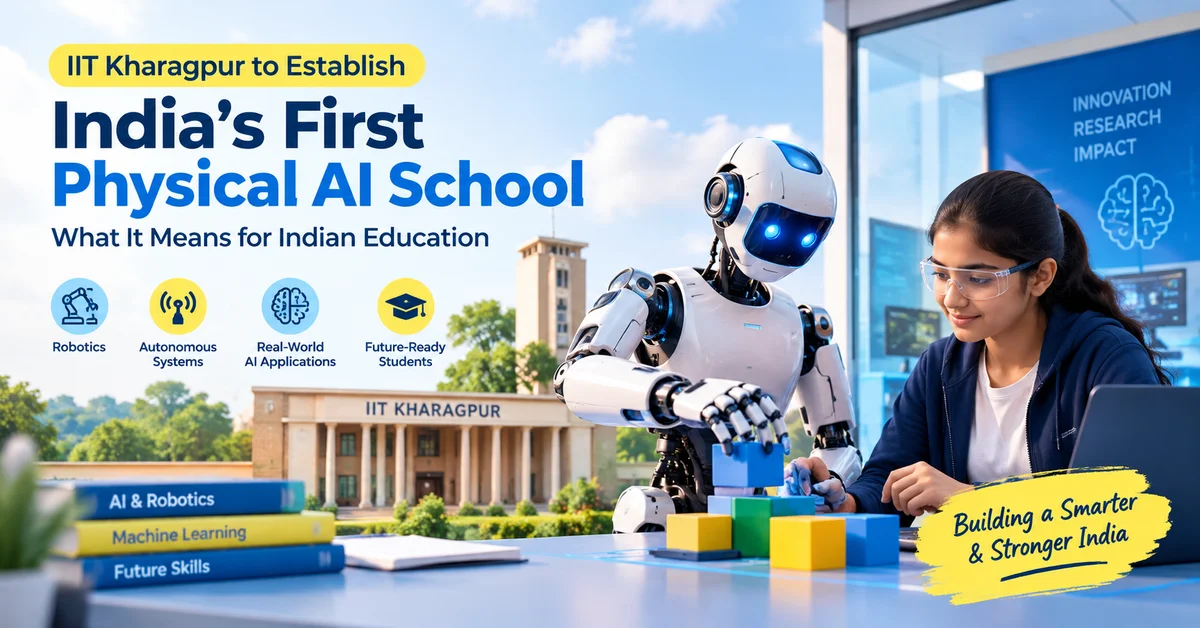
India’s First Physical AI School Is Coming — And It Changes Everything About How We Think About Education
There is a version of artificial intelligence that most people are familiar with by now. It lives on screens. It answers questions, generates text, recommends content and makes decisions in the background of digital systems. It is impressive, it is useful and it is already reshaping how India’s schools and universities are thinking about education.
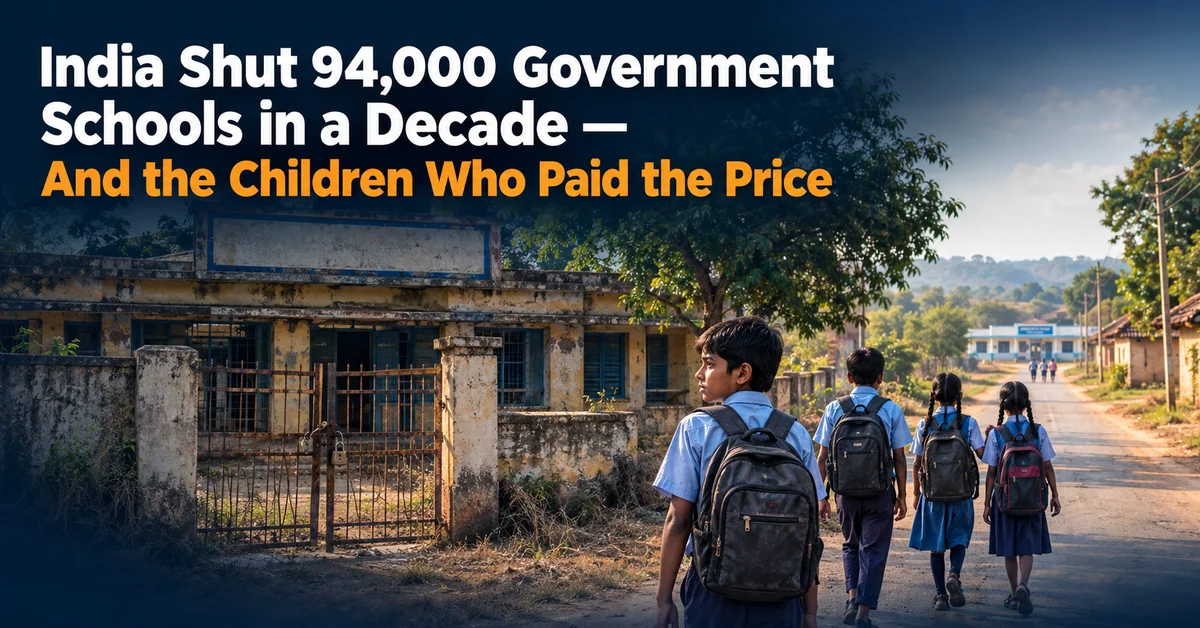
India Shut 94,000 Government Schools in a Decade — And the Children Who Paid the Price
That is not a statistic that is easy to sit with. Every single day for the past ten years, somewhere in India, a government school closed its gates — permanently. The building may still stand. The classrooms may still exist. But the school, as a functioning institution that children could walk to in the morning and walk home from in the afternoon, is gone.
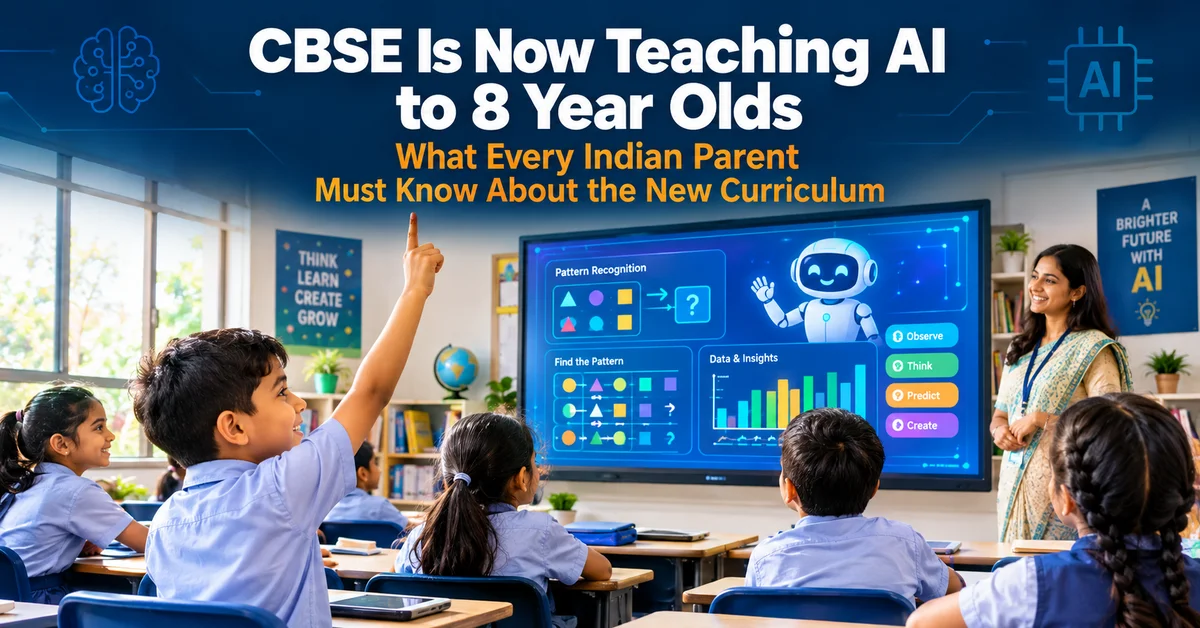
CBSE Is Teaching AI to Children from Class 3 — And It Is Changing Everything
I remember when I was eight years old. In classrooms the newest gadget was a calculator if you were lucky. The thought that a primary school child could spend a class learning how AI thinks makes decisions and changes the world would have felt like science fiction.