
Skill-Based Education in India: Why Schools Are Moving Beyond Books in 2026
Esha
Education Technology Experts
Skill-Based Education in India: Why Schools Are Moving Beyond Books in 2026
By Esha Karmakar
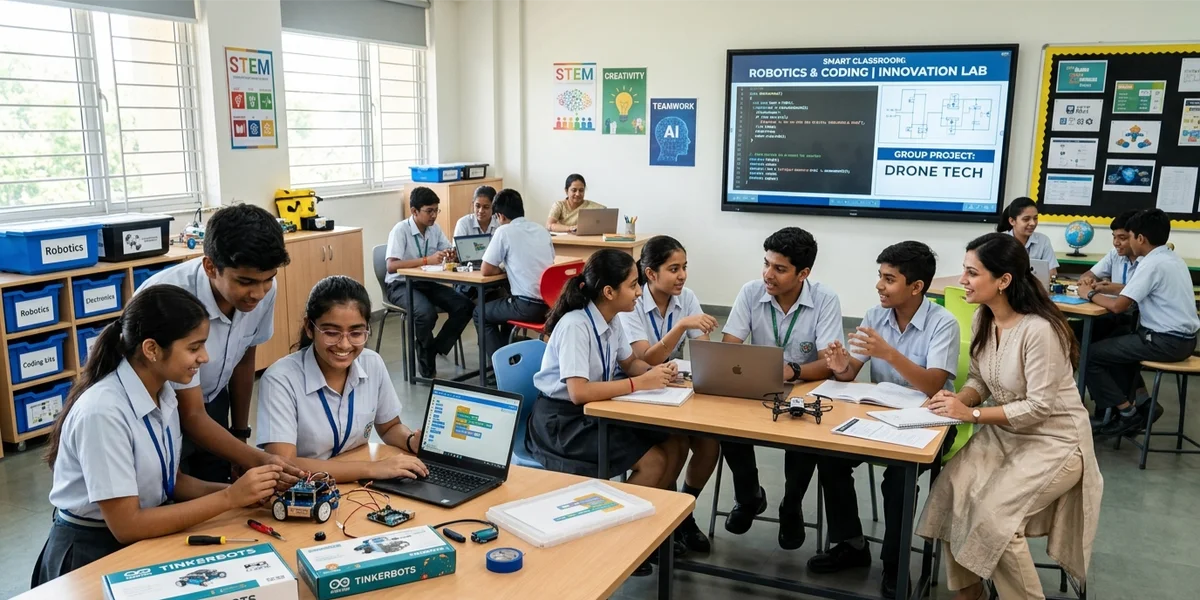
Education in India is changing fast. Schools are not about books and grades anymore. They are moving towards education that teaches students skills, where they learn things that they can actually use in life along with what they read in books.
The Central Board of Secondary Education or CBSE has taken a step in this direction. They are making sure that all schools have skill labs. This means that learning is now about using what you know not just remembering it.
What is Skill-Based Education?
Skill-based education is about teaching students things that will help them in real life like:
- Problem-solving
- Communication
- Critical thinking
- Basic technical skills
This way of learning makes students feel more confident and ready for their careers.
Why Are Schools Moving Away from Books?
The old way of learning was about memorizing things and taking exams. The world today needs students to:
- Think for themselves
- Solve real-world problems
- Be creative and adaptable
That is why schools are starting to use practical ways of learning like skill labs and activities.
Benefits of Skill-Based Education
- Students are better prepared for their careers because they learn real-world skills early
- Learning becomes more fun and interactive
- Students become more confident because they learn by doing
- They get to know about different careers at a young age
Conclusion
Skill-based education is changing how we learn in India. With initiatives like CBSE skill labs, schools are moving beyond books and preparing students for real-life challenges.
In 2026 and beyond, success will not just be about grades but also about the skills students develop. Schools are moving beyond books, and education in India is becoming more focused on skill-based learning.
About the Author
Education Technology Experts
The Brilliyo editorial team shares insights on educational technology, learning management, and institution growth.
Related Articles
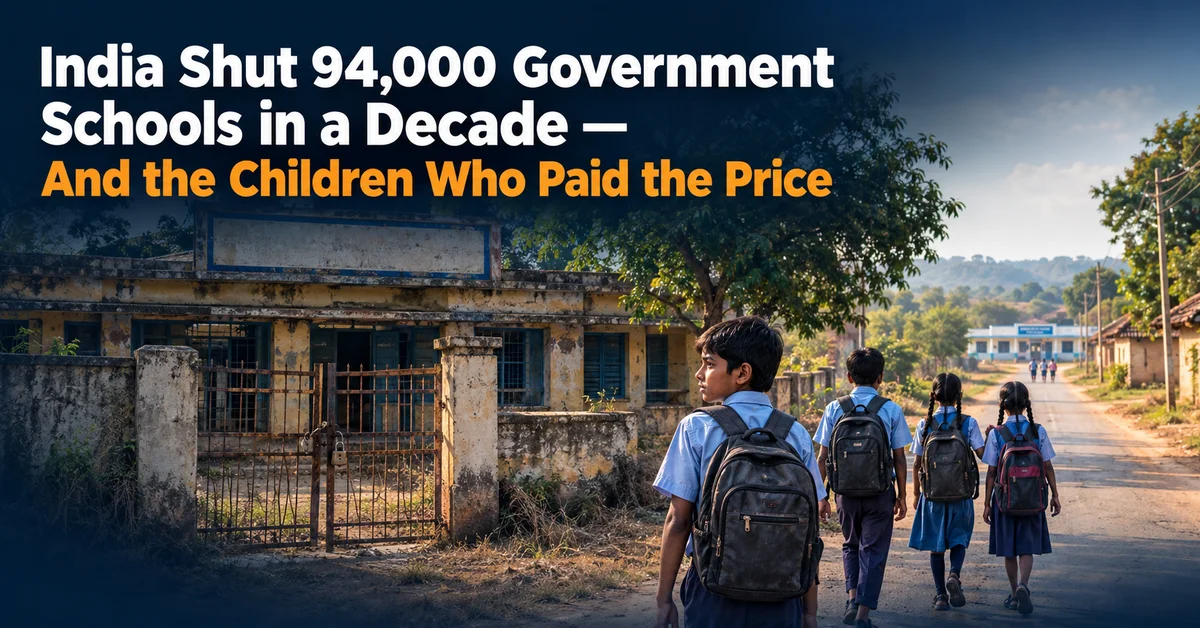
India Shut 94,000 Government Schools in a Decade — And the Children Who Paid the Price
That is not a statistic that is easy to sit with. Every single day for the past ten years, somewhere in India, a government school closed its gates — permanently. The building may still stand. The classrooms may still exist. But the school, as a functioning institution that children could walk to in the morning and walk home from in the afternoon, is gone.
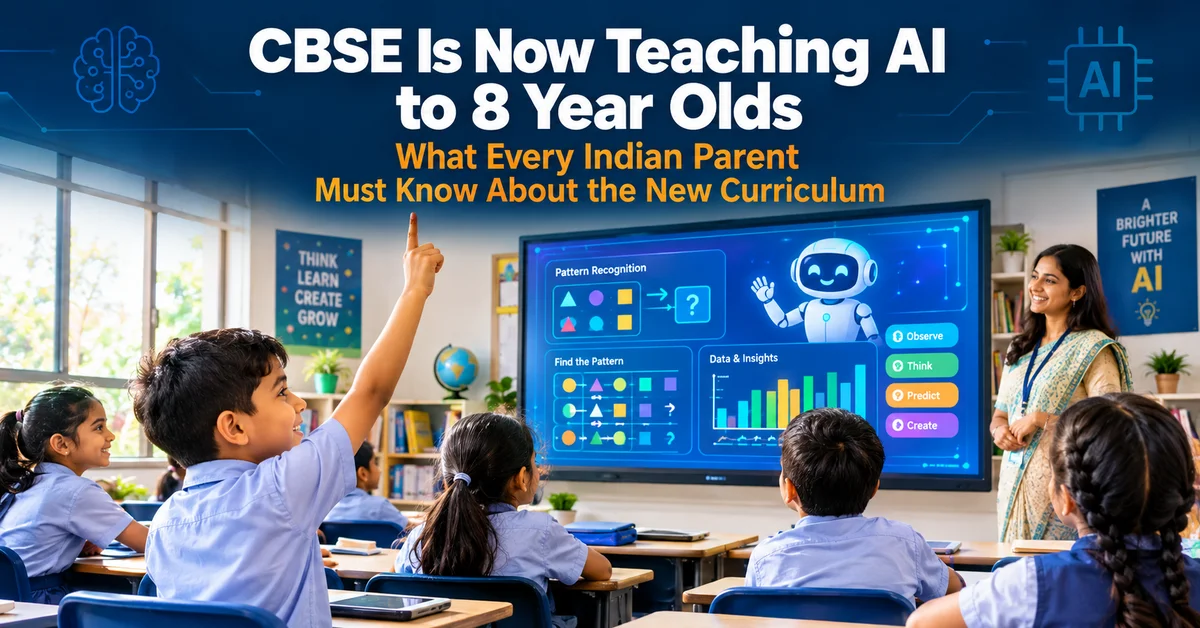
CBSE Is Teaching AI to Children from Class 3 — And It Is Changing Everything
I remember when I was eight years old. In classrooms the newest gadget was a calculator if you were lucky. The thought that a primary school child could spend a class learning how AI thinks makes decisions and changes the world would have felt like science fiction.
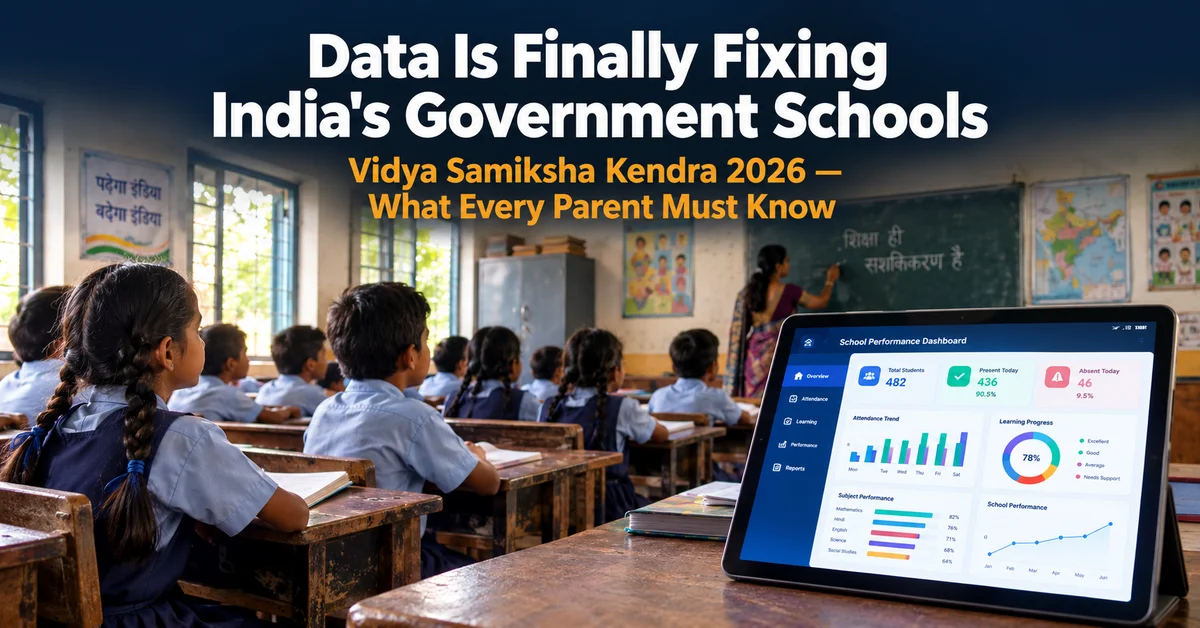
Vidya Samiksha Kendra 2026 — How Data Is Finally Fixing India's Government Schools
For years the government school system in India has worked in a way that was hard to understand. Teachers were often not there. There was no good way to track that. Students started falling and by the time anyone noticed it was usually too late. Shown in exam results months later. Schools often didn't have textbooks and important information sat in a book that no one ever looked at.