
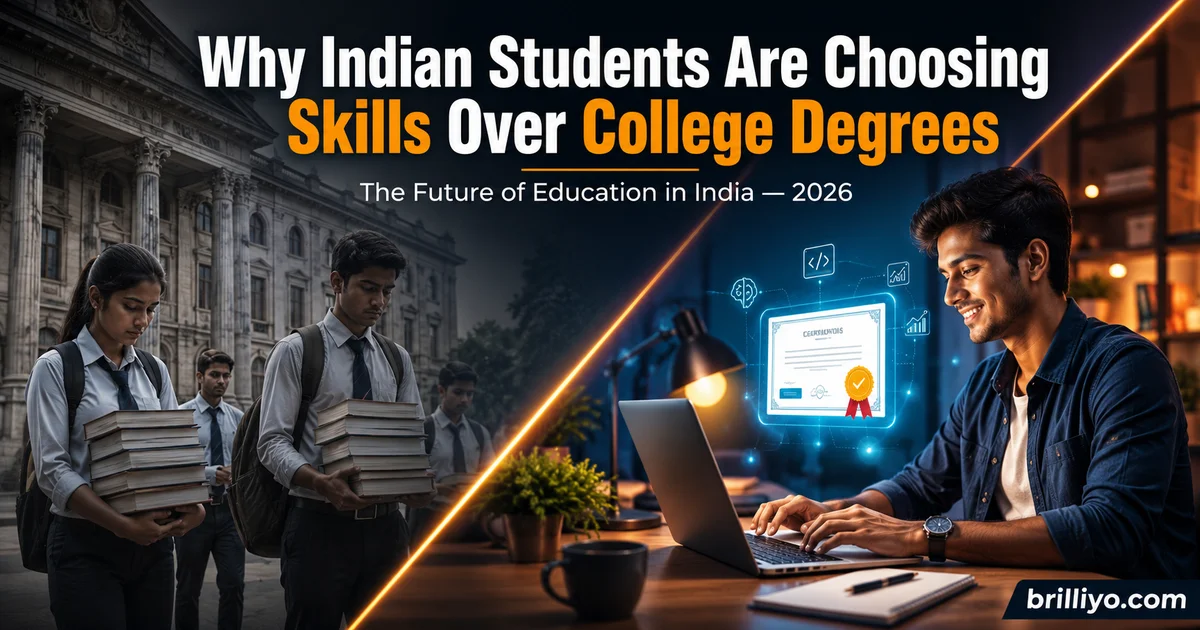
Why Indian Students Are Choosing Skills Over College Degrees

Esha
Content Writer & Education Technology Researcher
Something big is happening in India now. More and more young people in India are saying no to the college degree route and opting for learning skills instead. They are signing up for courses, vocational training, coding classes and special training for specific industries. And then they are getting jobs, starting their own businesses and building careers that people with degrees are still waiting for.
This is not a minor thing. It is a change in how a whole generation of people in India thinks about education, career and success. To understand why this is happening we need to take a look at what is working and what is not working in the education system in India today.
The College Degree Used to Mean Something. But It Does Not Anymore.
For a long time the plan was simple. You study hard, you get into a college, you get a degree. Then you get a good job that pays well. Indian families put everything into this plan. Their savings, their sacrifices and decades of pushing their kids to study.
Somewhere along the line this plan stopped working.
India is producing over 1.5 million engineering graduates every year. A lot of them are struggling to find jobs that match what they studied. People who studied law, business and arts are facing the same problems. They have the degree. The job is not always there.
This gap between what colleges are teaching and what companies actually need is pushing students to look for other options. And India's young people are finding them.
What Gen Z India Is Doing Differently
The young people in India who are now in their teens and early twenties grew up with smartphones and the internet. They learned from YouTube tutorials and online resources. They have seen friends build freelance careers and launch startups. Many have even landed jobs at global companies without a degree.
They know how much a college degree costs in 2026. The fees, hostel expenses, coaching classes and four to five years of their earning years all add up. When they compare that to the job opportunities and starting salaries it does not always make sense.
So they are choosing a different path. They are asking if they really need a degree to do the work they want to do. For many the answer is no.
🔗 The shift from traditional education to new-age learning is also changing how teaching itself works. Read more: AI vs Traditional Teaching — What Works Best for Indian Students
The Skills That Are Replacing Degrees
Young Indians are focusing on skills that are in high demand. These skills include:
Technology skills like full-stack web development and data science
Machine learning, cybersecurity and cloud computing
Digital skills like content creation and social media management
UI/UX design and digital marketing
Vocational skills in healthcare, construction and manufacturing
Hiring managers at tech companies say they care about what a candidate can do, not which college they attended. Many young Indians are earning well before they turn twenty-five. They started with just a laptop and an internet connection.
Vocational skills are also becoming popular again. Under government programs like the Skill India Mission and PM Kaushal Vikas Yojana many young Indians are getting certified training that helps them get jobs in areas like healthcare and construction.
Why Online Certifications Are Becoming Really Popular
Five years ago if you put a certification from a platform like Coursera, Google or LinkedIn Learning on your resume people in the Indian corporate world might have been surprised. Now in 2026 it is totally normal and even preferred by many companies.
Big global companies are now offering their own certification programs that carry real weight in hiring decisions. A Google Data Analytics certificate, an AWS cloud certification or a Meta digital marketing qualification is recognized by recruiters around the world including in India. These programs take a few months to complete and cost a lot less than a traditional degree.
Indian EdTech platforms have also become much better. Platforms that offer courses with real project experience and placement support have helped thousands of people succeed. These success stories are spreading fast among young Indians who are seeing their friends build careers without ever going to college.
🔗 Online tools and digital platforms are also transforming how schools and institutions deliver education today. Read more: Brilliyo Live Streaming vs Zoom, Google Meet and Teams
What This Means for Indian Families and Society
This change is not without some tension. In Indian families, especially in smaller cities and rural areas, a college degree is still very important for social status and family pride. The first person in a family to graduate from college is a big deal and it takes courage for young Indians to choose a different path.
But attitudes are changing and they are changing faster than most people think. Parents who have seen their children struggle to find jobs after college while a neighbour's child has built a successful career with a six-month online course are starting to rethink their ideas.
The conversation about education in Indian households is shifting from "which college will you attend" to "what can you actually do." And that is a really good change.
The Truth — Degrees Are Still Important in Some Fields
It would be wrong to say that college degrees are no longer important. They are still very important in certain fields.
Medicine, law, accounting, architecture and some areas of engineering require degrees and that is the right thing. These fields involve safety, legal responsibility and a deep understanding of the subject that cannot be learned in a short certification course.
Academic and research careers also require degrees and postgraduate qualifications are still valuable in fields where deep subject expertise matters.
The shift away from degrees is most noticeable in technology, creative industries, business and digital services — sectors that care more about what you can do than what certificate you have.
Conclusion
Indian students are not giving up on education. They are just choosing a kind of education that serves them better. They are choosing faster, practical learning that connects directly to the work they want to do and the life they want to build.
This change is good for India. A country that values what you can do — not just what degree you have — will be more competitive, more innovative and more fair. Because it will give opportunities to young people from all backgrounds, not just those who can afford to go to college for four years.
The future of education is not about choosing between degrees and skills. It is about combining both in a smarter way, where the path you choose is based on what you want to achieve — not on an old idea that one size fits all.
🔗 For schools and educational institutions looking to stay ahead in this changing landscape, having the right systems in place matters more than ever. Read more: Important Things Needed to Successfully Run an Educational Institute
Frequently Asked Questions
Is this shift from degrees just a trend?
This shift is here to stay. It is not something that is popular just for now. As machines and computers keep changing the way we work, having the right skills is going to be really important. It does not matter what degree you have. What matters is that you have skills that are useful and current. In 2026 Indian students are opting for skills over degrees because that is what the job market really needs. The Skill India Mission and PM Kaushal Vikas Yojana are supporting this change by providing people with the skills they need to get a job.
Can a student make it big in India without a college degree?
In areas like technology, creative industries, digital marketing and business the answer is yes. Many young Indians are building successful careers without traditional degrees. However for fields like medicine, law and chartered accountancy you still need formal qualifications.
Are online certifications accepted by Indian companies?
Yes they are. Many Indian companies now accept certifications from platforms like Google, AWS, Coursera and LinkedIn Learning. In areas like technology and digital marketing what you can do and the work you have done is more important than your degree. Big Indian and global companies are increasingly comfortable with online certifications.
About the Author

Content Writer & Education Technology Researcher
Esha is a Content Writer specializing in EdTech, School ERP, Learning Management Systems (LMS), AI in Education, and digital learning. She creates SEO-focused educational content that helps schools and institutions embrace modern technology.
Related Articles
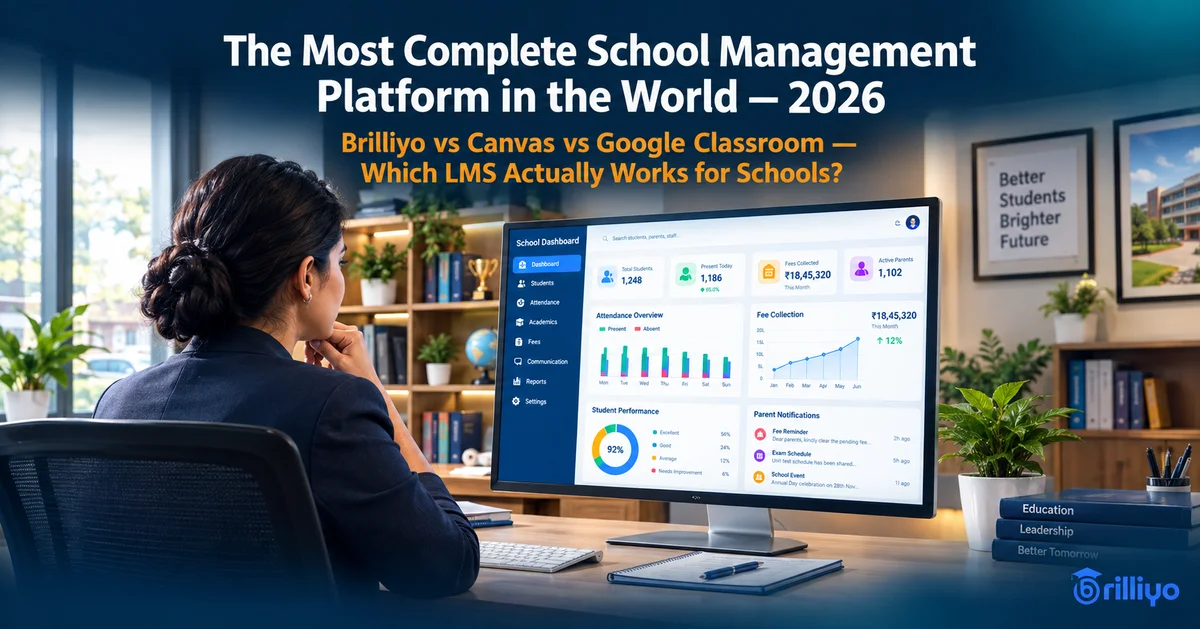
Best LMS Platforms in the World 2026 — And Why Brilliyo Is the Most Complete School Management Solution
Walk into any well-run school today and you will notice something that was not there ten years ago. The principal is not buried in paper files. The receptionist is not answering the same phone call for the third time this morning about fee due dates. The teacher is not carrying a bundle of registers under one arm and a stack of unmarked homework under the other.
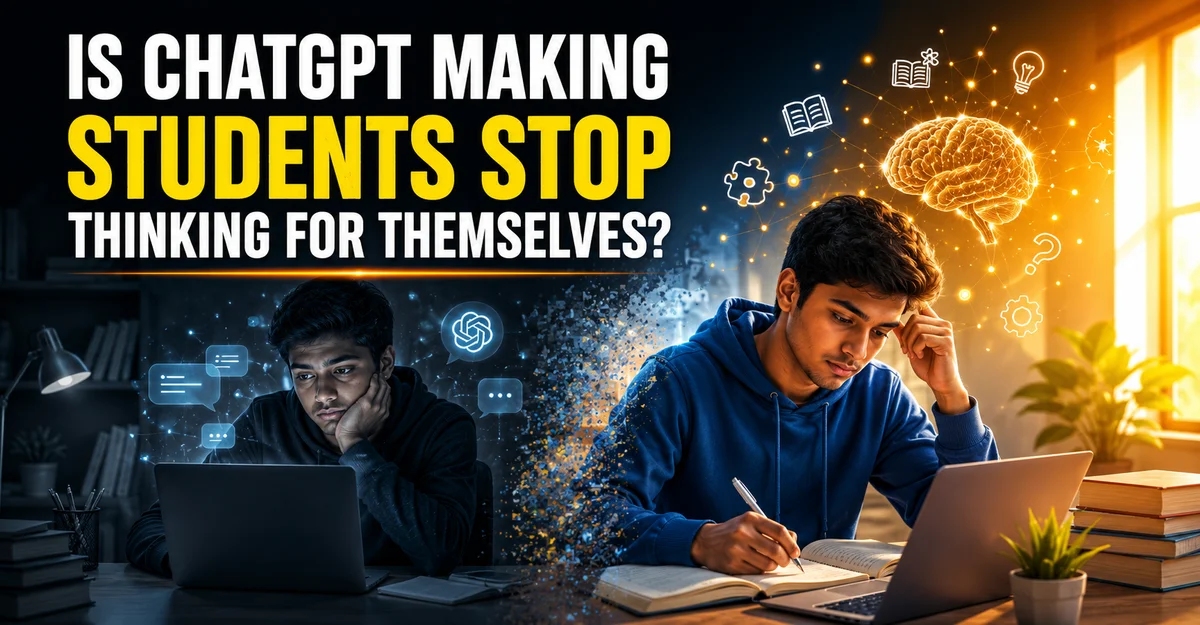
Is ChatGPT Making Students Stop Thinking for Themselves?
A student opens ChatGPT, types in their homework question copies the answer. Submits it. This whole process takes than two minutes. They do not have to think. They do not have to struggle. They do not learn.
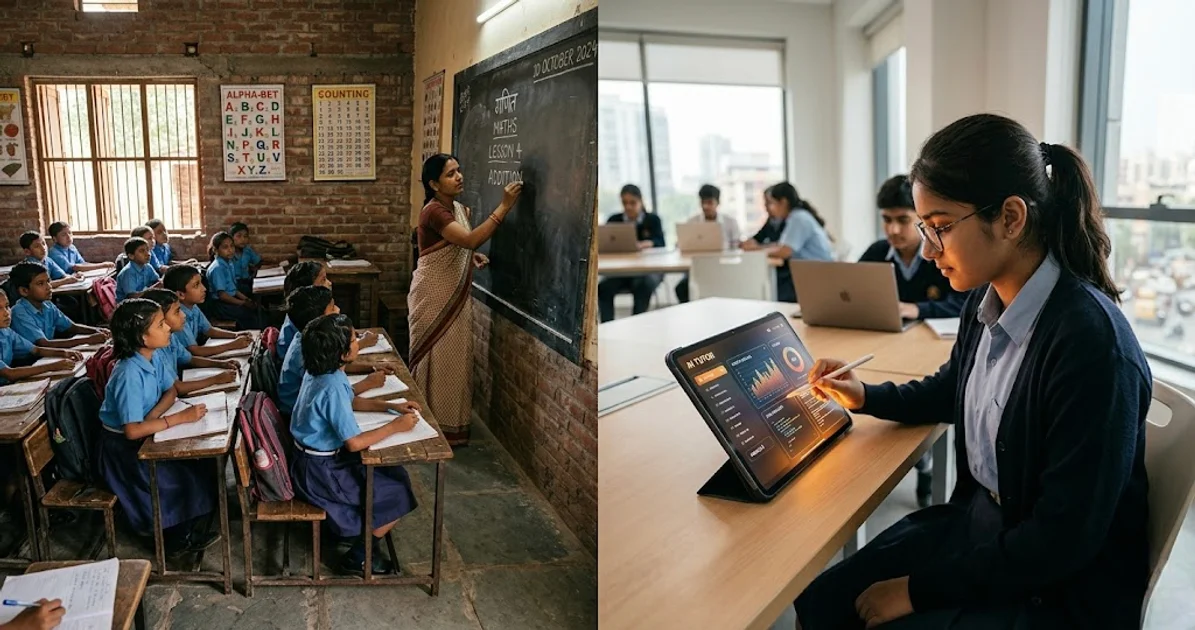
AI vs Traditional Teaching — What Works Best for Indian Students?
Every parent, teacher and school administrator in India is wondering about the thing right now. Should schools use intelligence to teach students or is the old way of teaching in a classroom still the best way to learn? The argument about using intelligence to teach and the traditional way of teaching is getting louder every year and in 2026 it has become a very important topic in Indian education.