
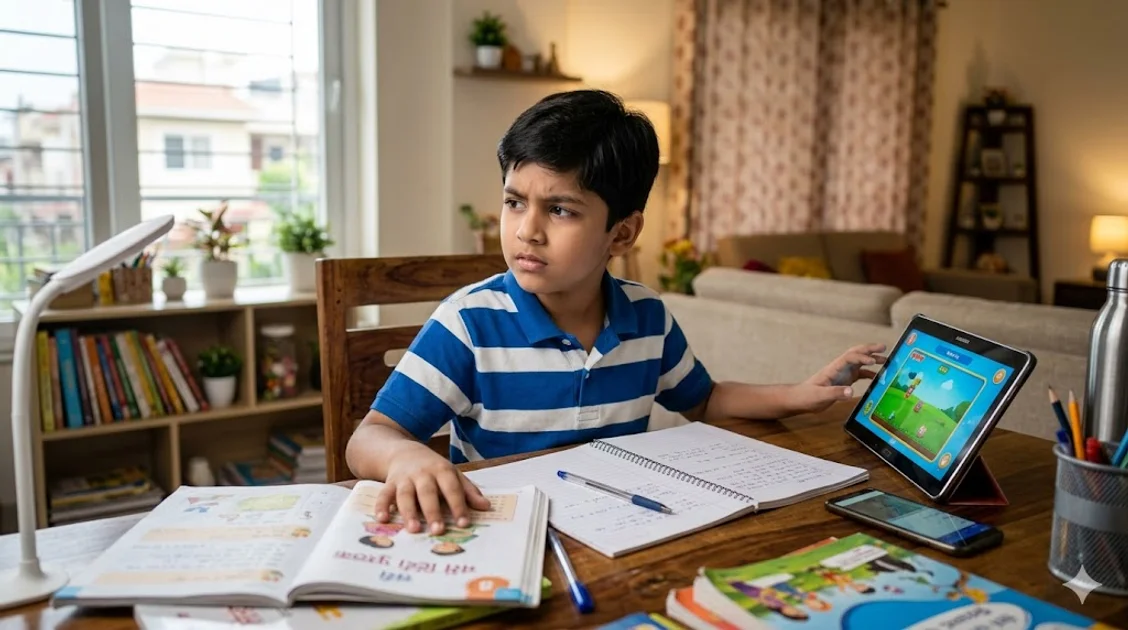
Screen Time vs Study Time: Finding the Right Balance for Kids
Esha
Education Technology Experts
Screen Time vs Study Time: Finding the Right Balance for Kids
By Esha Karmakar
In today’s world, kids are spending a lot of time on screens. They use screens for online classes, mobile games, and social media. Screens have become a part of everyday life.
However, too much screen time can affect a child’s focus, health, and academic performance. That’s why it is important to maintain the right balance between screen time and study time.
What is Screen Time?
Screen time refers to the time children spend using:
- Mobile phones
- Tablets
- Computers
- Television
While some screen time can support learning, excessive use can become a distraction.
Why Too Much Screen Time is a Problem
Excessive screen time can lead to:
- Reduced concentration
- Poor academic performance
- Eye strain and health issues
- Lack of physical activity
When kids spend too much time on screens, they may lose interest in studying.
Importance of Study Time
Study time helps children:
- Build strong academic knowledge
- Improve focus and discipline
- Develop problem-solving skills
- Perform better in exams
Developing strong study habits is essential for long-term success.
How to Balance Screen Time and Study Time
1. Set Daily Limits
Decide how much time children can spend on screens and how much time they should study.
- 2–3 hours for studying
- Limited screen time for entertainment
2. Use Screens for Learning
Not all screen time is harmful. Encourage children to use screens for:
- Educational videos
- Online learning platforms
- Practice tests
You can also explore learning activities for kids at home to reduce unnecessary screen usage.
3. Create a Study Routine
A proper schedule helps children stay consistent. Include:
- Study time
- Break time
- Limited screen time
Following a routine builds discipline.
4. Keep Devices Away During Study
Children should avoid using devices while studying.
- Keep devices in another room
- Use focus apps if needed
This improves concentration.
5. Encourage Offline Activities
Balance screen time with:
- Outdoor games
- Reading books
- Creative activities
This supports overall development.
6. Be a Role Model as a Parent
Children learn from their parents.
- Reduce your own screen time
- Spend quality time together
This helps children develop better habits.
Signs of Too Much Screen Time
Watch for these signs:
- Lack of interest in studies
- Irritability without devices
- Poor sleep habits
- Low concentration
If you notice these signs, it is time to take action.
Conclusion
Screen time is not completely bad, but too much of it can harm a child’s ability to learn and grow. The goal is not to remove screens, but to use them wisely.
By setting limits, creating routines, and encouraging healthy habits, parents and teachers can help children find the right balance between screen time and study time.
A balanced approach ensures that children not only perform well in studies but also grow into healthy and confident individuals.
About the Author
Education Technology Experts
The Brilliyo editorial team shares insights on educational technology, learning management, and institution growth.
Related Articles

India Shut 94,000 Government Schools in a Decade — And the Children Who Paid the Price
That is not a statistic that is easy to sit with. Every single day for the past ten years, somewhere in India, a government school closed its gates — permanently. The building may still stand. The classrooms may still exist. But the school, as a functioning institution that children could walk to in the morning and walk home from in the afternoon, is gone.

CBSE Is Teaching AI to Children from Class 3 — And It Is Changing Everything
I remember when I was eight years old. In classrooms the newest gadget was a calculator if you were lucky. The thought that a primary school child could spend a class learning how AI thinks makes decisions and changes the world would have felt like science fiction.
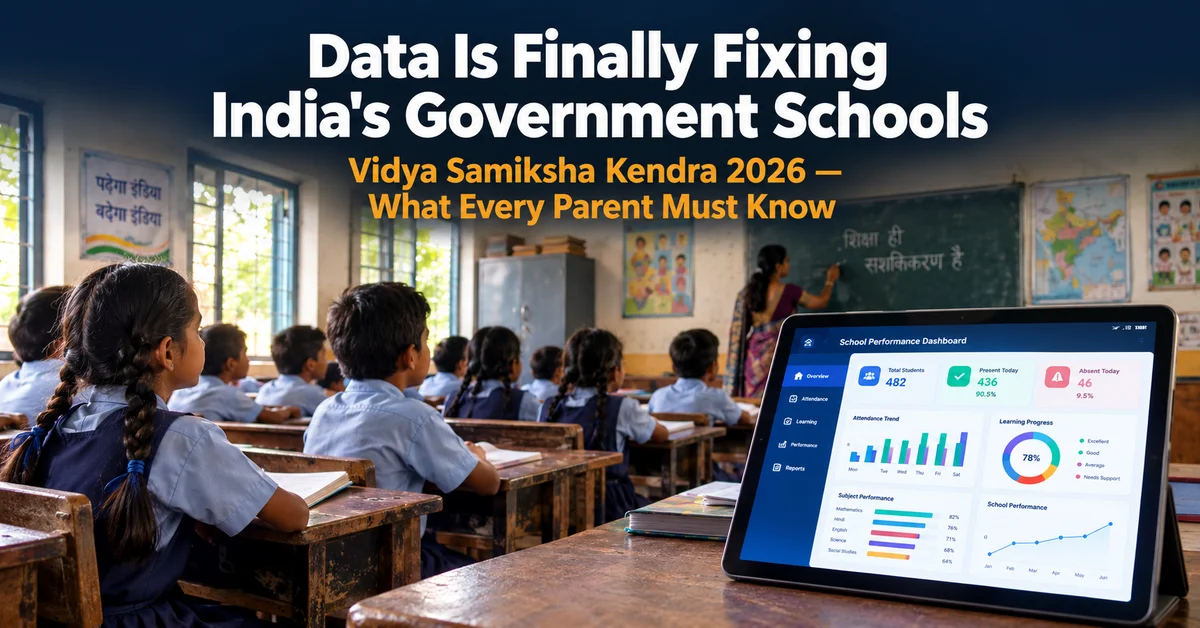
Vidya Samiksha Kendra 2026 — How Data Is Finally Fixing India's Government Schools
For years the government school system in India has worked in a way that was hard to understand. Teachers were often not there. There was no good way to track that. Students started falling and by the time anyone noticed it was usually too late. Shown in exam results months later. Schools often didn't have textbooks and important information sat in a book that no one ever looked at.